
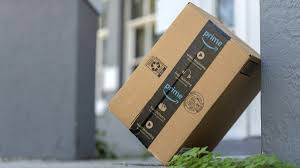
Amazon is tightening the rules around one of Prime’s older sharing benefits.
According to reporting cited by FOX Business, Amazon confirmed it is winding down its Prime Invitee program, which allowed members to share free shipping with people outside their household. Under the updated approach, sharing is limited through Amazon Family.
The change was described as taking effect Oct. 1, 2025. After that point, people outside a Prime member’s household would need their own subscription if they want continued access to Prime shipping benefits.
## What Is Changing
The Prime Invitee program launched in 2009 and gave non-members access to Prime shipping when a friend or relative shared the benefit.
Amazon is replacing that arrangement with Amazon Family, which allows a Prime member to share benefits with one other adult in the same household. The source material also states the plan can include up to four teens added before April 7, 2025, and up to four child profiles.
That means the key dividing line is now the household. Invitees who do not live at the same address are no longer covered under the same sharing structure.
## Why Prime Sharing Matters
Prime is more than free shipping. Members also receive access to Amazon sales events, Prime Video, Prime Reading and other benefits. The source material notes third-party tie-ins such as free delivery through Grubhub.
For many households, those added perks help justify the annual cost. But for users who relied on someone else’s membership only for shipping, the change could make Prime feel like a new expense rather than a shared convenience.
## Amazon’s Bigger Prime Strategy
Amazon has not publicly disclosed in the source material how many people subscribe to Prime. The company has, however, continued to promote the strength of the program.
Amazon described its July Prime Day event as its “biggest shopping event yet,” saying the four-day period outperformed prior Prime Day events in items sold. The company also said more independent businesses reported record sales.
That framing matters because Prime is central to Amazon’s retail model. The subscription encourages repeat shopping, ties customers to Amazon’s entertainment ecosystem and gives sellers access to a large base of high-frequency buyers.
## Could This Lead to More Paid Subscriptions?
Amazon has not said in the supplied source that the change is designed to force new sign-ups. Still, limiting free shipping sharing to household members could push some former Invitee users to buy their own Prime memberships.
Prime currently costs $139 per year in the United States, according to the source material. That price was set in 2022 after rising from $119.
The source also cites J.P. Morgan analysts who have suggested Amazon could raise the price again in 2026, pointing to the strength of the program and Amazon’s expanding list of benefits. That remains analyst speculation, not an announced price increase.
## The Consumer Pushback Risk
Amazon’s case is straightforward: Prime is a paid membership, and the company is narrowing who can share it.
The consumer objection is just as obvious. Longtime members who used Invitee sharing for relatives, students or friends outside the home may see the move as another example of a major platform trimming benefits while maintaining, or potentially increasing, subscription costs.
For now, the practical takeaway is simple: Prime members should review who is attached to their account and whether those users qualify under Amazon Family’s household-based rules.